Affiliate disclosure: This post may contain affiliate links. If you buy through a link on this page, MOTOZMO may earn a small commission at no extra cost to you. It helps keep our guides free. How we test and choose products.

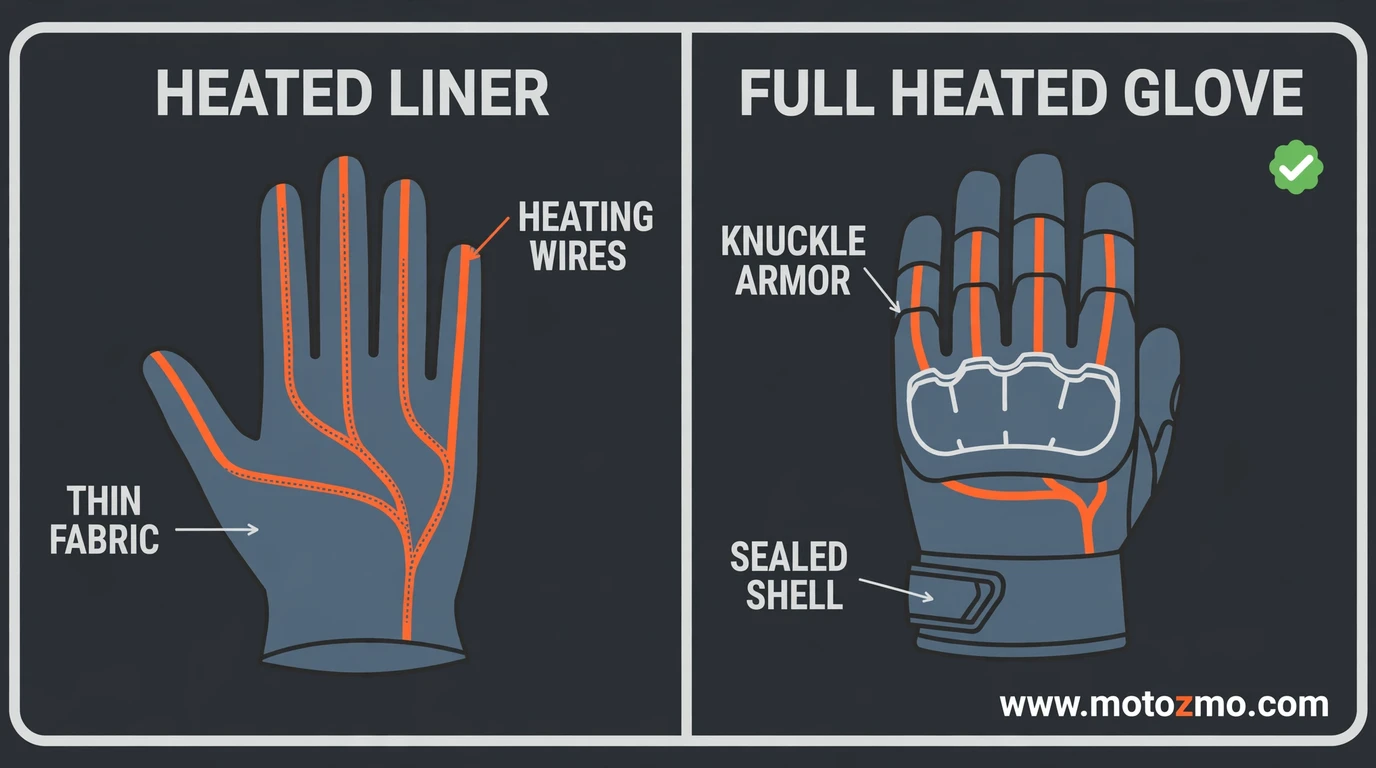
- Waterproofing built in with sealed seams
- Knuckle and palm protection included
- 7.4V battery or 12V bike power on some models
- One glove, no layering or bulk stacking

- Waterproofing comes only from your outer glove
- No crash protection on their own
- 7.4V battery only, no bike-power option
- Two layers means a bulkier feel on the bars
Full heated gloves win for winter riding. Heated liners only win for mild cold or for riders who already own great outer gloves.
I have run both setups through two winters of cold commutes and long weekend rides, and the answer comes down to fit and weather, not heat claims. Full gloves give you waterproofing, crash protection, and heat in one package. Liners make you solve all three yourself. Liners do shine in two cases: mild cold where you want to keep wearing your favorite riding gloves, and budget riders who want one heated layer that moves between bikes.
This guide walks through the five real differences, the fit trap that ruins most liner setups, and which option matches your riding. For the full cold-weather picture, start with the heated motorcycle gear guide.
What a Heated Liner Is
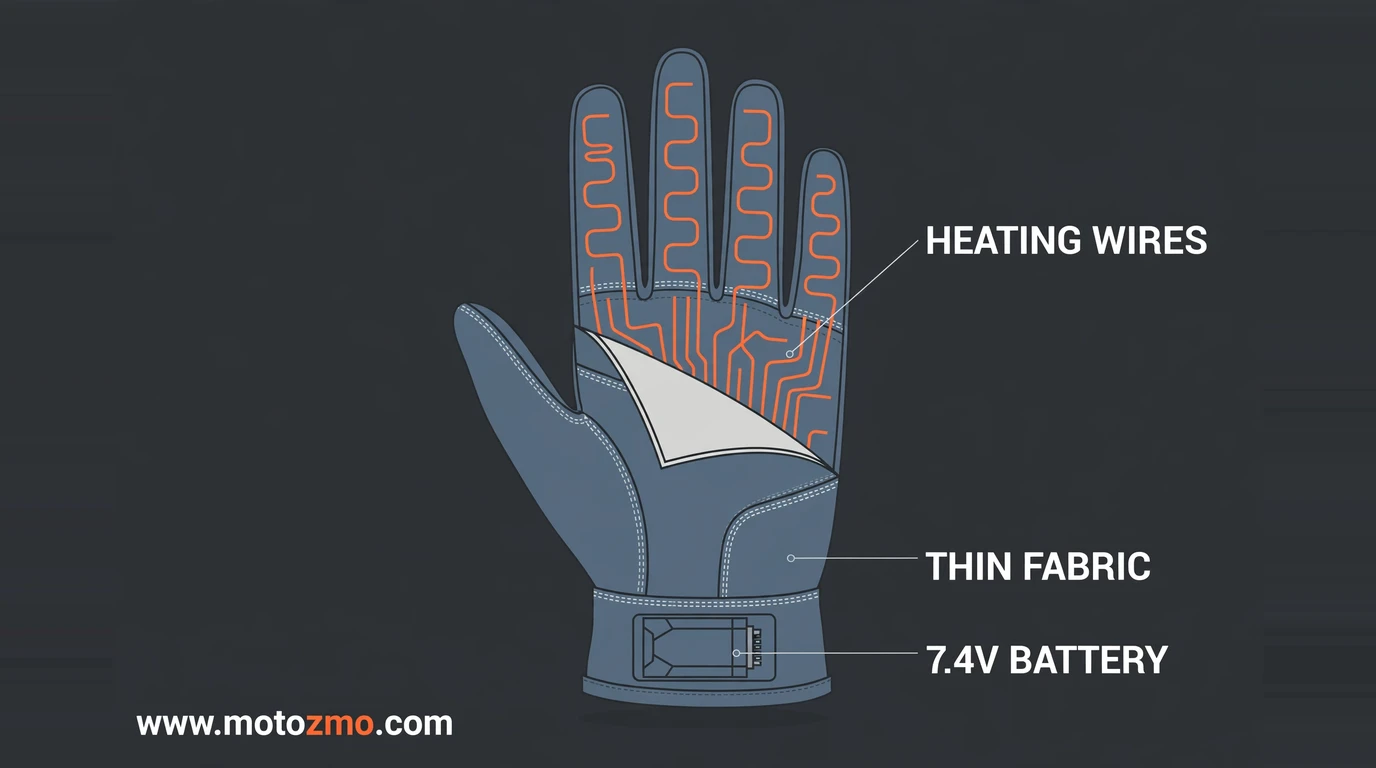
A heated liner is a thin heated glove you wear under another glove. It runs on a small 7.4V battery, and the heating wires sit across the back of the hand and fingers. That is all it does.
It adds heat and nothing else. It does not keep rain out. It does not protect your knuckles in a crash. Those jobs stay with the outer glove, which means a liner is only as good as the glove you pair it with.
If your outer gloves are old, leaky, or thin, liners just make a bad glove warm instead of cold.
The Five Differences that Decide It
Strip away the marketing and five things separate the two options. Everything else is noise.
- Weather protection. Full heated gloves come with sealed seams and a waterproof membrane. Liners have none of that. Ride through rain with liners and you are trusting your outer glove alone. This is the single biggest reason liners fail riders who buy them for winter commuting.
- Crash protection. Full gloves carry knuckle armor and palm reinforcement built for a slide. Liners are thin fabric with wires in them. Wearing liners under your regular armored riding gloves keeps the protection, but the liner itself adds none.
- Heat coverage. Full gloves heat the back of the hand, all four fingers, and often the thumb, and the insulation around the elements holds that heat in. Liners heat the fingers and back of the hand too, but they are thin, so wind cuts straight through them. On the highway the difference shows up fast.
- Power. Most liners run on 7.4V batteries only. Full gloves give you a choice: 7.4V batteries for convenience, or 12V wired straight to the bike for heat that never runs out. If you do long winter miles, the 12V option matters. Gerbing’s 12V glove lineup shows how the wired systems work.
- Simplicity. Full gloves are one item: put them on, turn them on. Liners mean two gloves, two batteries to charge, and a fiddly layering routine at every stop. Small annoyance on a Sunday ride. Real annoyance on a daily commute.
The Liner Fit Trap Nobody Warns You about
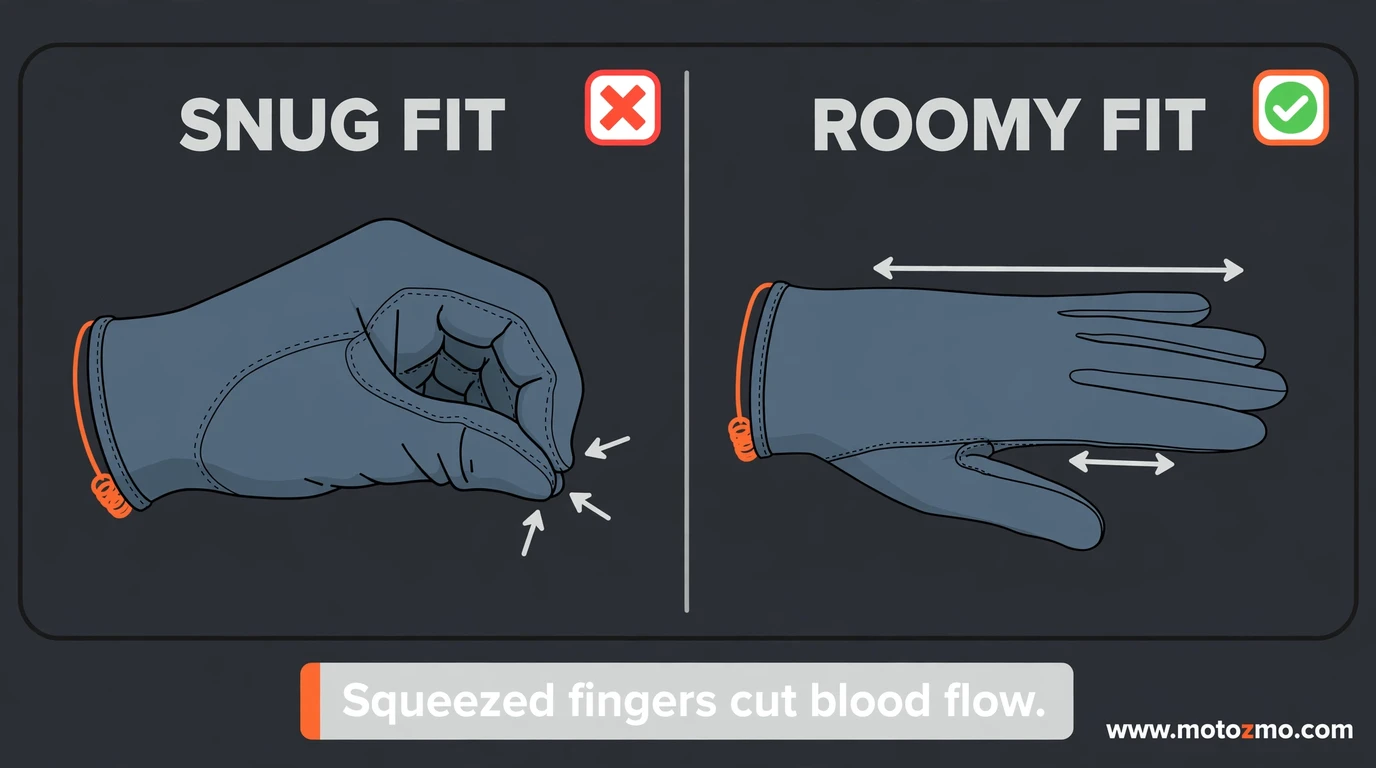
Here is where most liner setups die. A liner adds bulk inside your outer glove. If the outer glove fits the way a riding glove should, the liner squeezes your fingers.
Squeezed fingers mean restricted blood flow. Restricted blood flow means colder hands, which is the exact problem you paid to fix. I have seen riders crank the heat to high and still go numb because their gloves were too tight for the extra layer.
The fix is simple but costs you something. Your outer gloves need to be roomy enough for the liner, which usually means sizing up or buying a second, larger pair of winter gloves. That eats into the money you saved by buying liners instead of full gloves.
Before you buy, wear the full stack around the house for twenty minutes and make a fist. If your fingertips press hard against the ends, the fit is wrong. Also check your lever feel. Two layers dull the feedback you get from the clutch and brake, and some riders hate that on technical roads.
Who Should Buy Which
Match the gear to your riding, not to the price tag.
| You ride | Buy | Why |
|---|---|---|
| Winter commutes in rain and cold | Full heated gloves | Sealed waterproofing and one-glove simplicity win daily |
| Long-distance winter touring | Full heated gloves, 12V | Bike power means heat that never quits mid-ride |
| Mild cold, 40s and 50s | Liners | Cheap heat under gloves you already own and like |
| You own premium winter gloves already | Liners | Keep the gloves, add heat, skip the full rebuy |
| Multiple bikes, one set of gear | Liners | One liner moves between bikes easier than wired gloves |
| Off the bike in winter too | Full heated gloves | They work fine walking around; liners look odd alone |
If you are still on the fence about heated hand gear at all, the honest buy-or-skip verdict on heated gloves will help you decide whether the category earns a spot in your kit.
And if you have not settled the gloves-versus-grips question yet, read the heated gloves vs heated grips comparison first, since grips change the math for some riders.
Who Should Skip Liners, Plainly
Do not buy liners if you ride in rain. Do not buy them if you ride below about 35 degrees for more than half an hour. Do not buy them if your current winter gloves fit snug, because you will need to replace those too.
And do not buy them expecting the same heat as full gloves. Thin liners on high burn through a small battery in a couple of hours, while a full glove on medium stretches its charge through a real ride.
Liners are a mild-weather tool. Ask them to do a deep-winter job and you will end up buying the full gloves anyway.
Can You Wear Both Together?
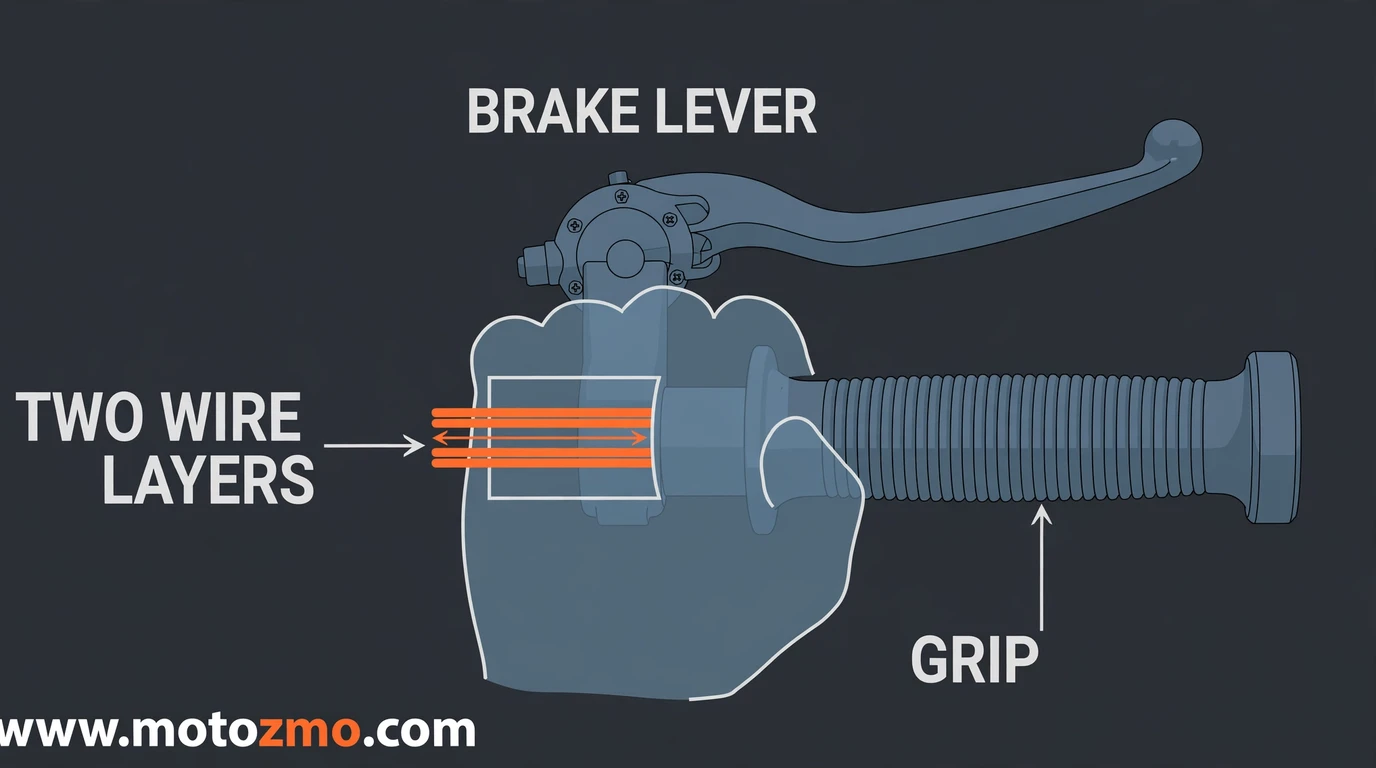
Some riders ask about liners under full heated gloves. Do not do this. Two heated layers stack bulk, kill your lever feel, and gain you almost nothing, since the full glove already heats the same zones.
The combo that works is liners under a good non-heated winter glove, which is exactly the setup this article describes. One heated layer, one protective layer. Keep it to that.
Whichever side you land on, fit matters more than brand. The best heated gloves for motorcycle riders roundup covers the full-glove picks worth your money, and the makers themselves draw the same line: Arcfomor’s glove guide notes liners prioritize low bulk and pair with an outer glove, while full gloves stand alone.