
Top Picks For You
Liqui Moly 20050 Engine Flush Motobike
German-engineered internal flush designed specifically for four-stroke motorcycle engines. Dissolves sludge and lacquer deposits in oil circuits while remaining safe for wet clutch systems.
Check Price
Liqui Moly Engine Flush Plus
Versatile oil system flush suitable for motorcycles, cars, and trucks. Suspends sludge particles and varnish at idle temperature for complete drainage.
Check Price
Hot Shot’s Secret Gasoline Extreme
P.E.A.-based fuel system cleaner targeting injectors, valves, and combustion chambers. Dissolves gum, varnish, and carbon deposits to restore throttle response and fuel economy.
Check Price
XADO Engine Oil System Cleaner
Aggressive oil system flush with Revitalizant technology that cleans deposits while leaving a protective coating. Ideal for engines with unknown maintenance history or severely stretched oil change intervals.
Check Price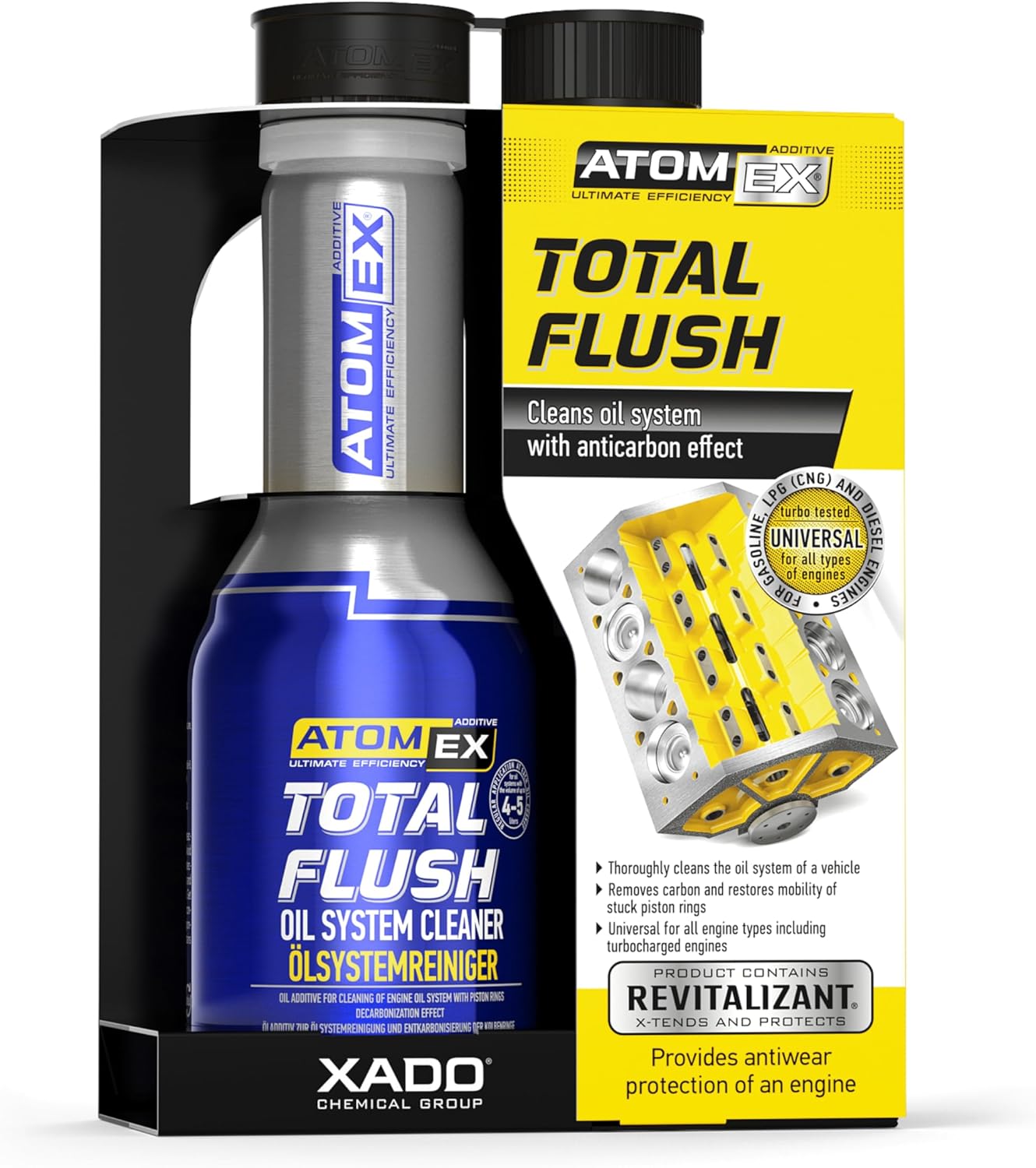
STANLEY AP 92 Engine Cleaner Spray
Quick-evaporating aerosol degreaser for external engine surfaces. Features 360° upside-down spray valve for awkward angles. Removes oil leaks, road grime, and light grease without disassembly.
Check Price
Choosing the best motorcycle engine cleaners depends on what you’re cleaning: Liqui Moly 20050 Engine Flush Motobike dominates for internal oil system sludge, Hot Shot’s Secret Gasoline Extreme excels at fuel system deposits, and STANLEY AP 92 handles external engine bay grime. For motorcycles battling rough idle, sluggish throttle response, or decreased fuel economy, the right cleaner restores performance without a full teardown.
Most motorcycle problems and fixes trace back to deposit buildup — carbon crusting combustion chambers, varnish clogging injectors, and sludge choking oil passages. These five cleaners target different contamination zones, and choosing wrong wastes money while leaving the actual problem untouched.
Here’s the reality: a fuel system cleaner won’t dissolve oil sludge, and an engine flush won’t touch carbon-caked valves. The chart below maps each product to its specific purpose, then detailed reviews break down real-world performance, limitations, and which motorcycles benefit most.
What follows covers internal oil flushes, fuel additives, and external degreasers — the three cleaner categories that actually matter for motorcycle maintenance. Skip the wrong one, and your engine keeps struggling. Match the cleaner to the contamination source, and you’ll feel the difference within a single ride.
01. Liqui Moly 20050 Engine Flush Motobike
- Motorcycle-specific formula safe for wet clutches
- Dissolves sludge and lacquer deposits in oil circuits
- Works with four-stroke gasoline engines
Why It Stands Out
This flush targets four-stroke motorcycle engines specifically, addressing the unique challenge of shared oil systems where engine oil also lubricates the transmission and wet clutch.
How It Works
Liqui Moly designed this 250ml formula to dissolve lacquer formers and sludge deposits that accumulate in motorcycle oil circuits. Pour the entire bottle into warm engine oil, idle for 10-15 minutes, then drain everything during your oil change.
Real-World Performance
This flush delivers noticeably smoother transmission shifting, which is a critical benefit since motorcycle gearboxes share oil with the engine. On neglected bikes that have sat unridden for extended periods, the difference becomes immediately apparent. The engine idles more smoothly, and gear engagement feels more precise.
I’ve found this particularly effective on Japanese cruisers and sport-tourers with 40,000+ miles. The detergents work through transmission components alongside crankcase passages, addressing that notchy shifting feel that develops over time. When paired with quality Liqui Moly oil, the improvement compounds, you’re not just removing old deposits but preventing new ones from forming quickly.
The motorcycle-specific formulation matters here. Unlike automotive flushes, this product accounts for the wet clutch system most motorcycles use. Pour in an automotive flush with friction modifiers, and you risk clutch slippage. This formula avoids that problem entirely.
Limitations
- 250ml treats one motorcycle—no leftover for multiple bikes
- Requires immediate oil change after use
- Won’t address fuel system deposits or external grime
Best For
Riders maintaining four-stroke motorcycles who change their own oil and want a purpose-built flush rather than automotive formulas.
02. Liqui Moly Engine Flush Plus
- German-engineered detergent formula
- 15W-40 base viscosity for proper flow
- Works on motorcycles, cars, and trucks
Why It Stands Out
The 300ml capacity handles larger displacement motorcycles effectively, and the broader formulation works across multiple vehicle types—useful if you maintain both bikes and cars.
How It Works
This German-engineered flush circulates through the oil system at idle temperature, suspending sludge particles and varnish so they drain out with the old oil. The 15W-40 base viscosity ensures proper flow through tight tolerances.
Real-World Performance
On high-mileage motorcycles exceeding 75,000 miles, this flush produces tangible results. That mechanical ticking sound from sticky lifters or accumulated varnish often quiets within the first ride after treatment. The engine feels smoother, and throttle response sharpens slightly. It’s nothing dramatic, but noticeable to anyone who knows their bike.
The sweet spot sits between 75,000 and 125,000 miles on engines that received regular oil changes but never deep cleaning. At this mileage, enough deposits accumulate to affect performance without creating the severe buildup that makes flushing risky.
I recommend pairing this flush with a quality air filter change and fresh oil for maximum impact. The combined effect often makes a well-worn motorcycle feel significantly refreshed.
Limitations
Results vary based on existing deposit severity. On some engines, visible inspection through the oil filler cap shows minimal change after the recommended 10-minute idle. This typically indicates either a very clean engine (no work needed) or deposits too stubborn for chemical treatment alone.
On extremely high-mileage engines approaching 150,000 miles, flushing carries risk. Dislodged deposits can circulate before draining, potentially blocking oil passages or creating new noises. Proceed cautiously with unknown maintenance histories.
Best For
Motorcycles with 75,000+ miles that receive regular oil changes but need deeper cleaning before switching oil brands or weights.
03. Hot Shot’s Secret Gasoline Extreme
- P.E.A. (Polyetheramine) technology
- Cleans injectors, valves, combustion chambers
- Boosts fuel economy up to 7.9%
Why It Stands Out
While others clean oil systems, this P.E.A.-based formula targets the fuel side—injectors, valves, combustion chambers, and upper cylinders.
How It Works
Polyetheramine (P.E.A.) technology dissolves gum, varnish, and carbon deposits that accumulate from gasoline combustion. The Society of Automotive Engineers recognizes P.E.A. as the most effective fuel system cleaning agent. Add 12oz per 20 gallons of gasoline; the cleaner works as fuel burns through normal riding.
Real-World Performance
Fuel-injected motorcycles that have never received fuel system treatment respond dramatically to this product. That hesitation during acceleration — the slight stumble when rolling on throttle — often disappears after running a single treated tank. The cleaning action directly addresses poor throttle response caused by clogged injectors or carbon-coated intake valves.
On longer rides, the fuel economy improvement becomes measurable. Expect gains around 1-2 MPG on motorcycles with significant deposit buildup, enough to notice the fuel gauge dropping slower than usual. This improvement stems from restored injector spray patterns and cleaner combustion chamber surfaces.
The P.E.A. concentration in this formula exceeds most gas station fuel system cleaners. That higher concentration justifies the premium price for motorcycles experiencing genuine fuel system symptoms rather than routine maintenance.
Limitations
This product won’t resurrect a worn-out engine. On motorcycles with extreme mileage and mechanical wear, cleaning deposits produces minimal improvement because the underlying problem isn’t contamination, it’s component fatigue.
The capless fuel filler design on some modern motorcycles can cause spillage during application. Pour slowly and use a small funnel to direct the product into the tank rather than down the filler neck.
Price runs higher than competitors, and benefits may require multiple treatments to fully materialize on severely neglected fuel systems.
Best For
Fuel-injected motorcycles experiencing rough idle, hesitation, or declining fuel economy, especially bikes running ethanol-blend fuels that accelerate deposit formation. Understanding carbureted vs fuel-injected motorcycles helps determine if this product suits your machine.
04. XADO Engine Oil System Cleaner
- Revitalizant protective coating technology
- Suitable for all engine types including turbo
- Aggressive cleaning for neglected engines
- 20+ years of proven engine care
Why It Stands Out
XADO’s formula includes Revitalizant technology that leaves a protective barrier after cleaning, addressing both immediate sludge removal and long-term surface protection.
How It Works
Add to engine oil before your scheduled change, idle for 15 minutes, shut off for 3 minutes, then change oil and filter. The dual-action formula dissolves deposits while the Revitalizant component coats metal surfaces. XADO has manufactured engine care products for over 20 years, building credibility in the additive market.
Real-World Performance
This flush shines on motorcycles with stretched oil change intervals or unknown maintenance histories — the bikes you buy used and wonder what the previous owner did (or didn’t do). The aggressive cleaning action mobilizes sludge that gentler products leave behind.
On neglected engines, the results appear immediately in the drained oil. Black, particle-laden oil flows out even when the previous change happened recently. This confirms the cleaner reached deposits that normal oil circulation couldn’t touch. Following treatment, fuel economy often returns to factory specifications—sometimes jumping 8-10 MPG on severely gunked engines.
The Revitalizant component adds value for older motorcycles. After aggressive cleaning, metal surfaces benefit from the protective coating that forms during the post-flush idle period. This addresses the concern that cleaning exposes raw metal to accelerated wear.
Limitations
On well-maintained motorcycles with regular oil changes, this product offers minimal benefit. The aggressive formula targets severe contamination. If your engine doesn’t have it, you’re paying a premium for unnecessary cleaning power.
At nearly $26, the price stings when results don’t materialize. Some engines show no color change in drained oil and no performance improvement, typically indicating either a clean starting point or deposits too solidite for chemical treatment.
Best For
Motorcycles with unknown maintenance history, recent used purchases, or bikes where oil changes stretched far beyond recommended intervals. Skip this for well-maintained engines, you won’t see the value.
05. STANLEY AP 92 Engine Cleaner Spray
- 360° upside-down spray valve
- Quick-evaporating, residue-free formula
- Non-corrosive, safe for metal surfaces
- Works without disassembly
Why It Stands Out
Unlike internal flushes and fuel additives, this aerosol tackles visible engine bay contamination—oil leaks, road grime, and brake fluid residue on external surfaces.
How It Works
The quick-evaporating solvent formula sprays directly onto external surfaces without requiring disassembly. A 360° spray valve works upside-down, reaching awkward angles around brake components, clutch housings, and cylinder fins. The non-corrosive formula protects metal surfaces during cleaning.
Real-World Performance
Valve cover gasket leaks leave oil streaks across engine cases that collect road dust and bake into stubborn grime. This spray dissolves that residue effectively, leaving external surfaces looking presentable. For motorcycles where engine appearance matters — whether for sale, shows, or personal pride — this product delivers visible results.
The formula handles light grease accumulation well. Fresh oil drips and recent road spray clean up with a single application. Heavy, baked-on accumulations require multiple passes with shop towel wiping between applications, but the spray eventually cuts through.
Air-cooled motorcycle engines with cooling fins particularly benefit from external cleaning. Grime buildup between fins reduces cooling efficiency; this spray reaches those tight spaces that brushes can’t access effectively.
Limitations
The can lacks a straw attachment, limiting precision. Overspray wastes product and potentially contacts surfaces you didn’t intend to clean. For detailed work around sensors or electrical connections, the broad spray pattern creates problems.
Despite marketing suggesting brake component use, I’d avoid spraying this on actual brake or clutch friction surfaces. The citrus-scented residue suggests oils in the formula that could contaminate friction materials. Stick to dedicated brake cleaner for those components.
Ingredient disclosure is absent from the can, preventing informed decisions about material compatibility. Test on inconspicuous areas before treating visible surfaces, especially on painted or powder-coated parts.
Best For
Cosmetic engine bay cleaning and preparing surfaces before gasket replacement—not for brake components or internal engine use.
How to Choose the Right Motorcycle Engine Cleaner
Match Cleaner Type to Contamination Location

| Contamination Zone | Symptoms | Cleaner Type Needed |
|---|---|---|
| Oil system (crankcase, passages) | Sludge visible on filler cap, noisy valvetrain | Internal oil flush (Liqui Moly, XADO) |
| Fuel system (injectors, valves) | Rough idle, hesitation, poor fuel economy | Fuel additive (Hot Shot’s Secret) |
| External surfaces | Visible oil, grease, grime | Degreaser spray (STANLEY) |
Motorcycles experiencing engine keeps cutting out often point toward fuel system issues, but oil sludge restricting hydraulic lifter function causes similar symptoms. Accurate diagnosis before product selection prevents wasted purchases.
Consider Your Motorcycle’s Fuel System Type
Carbureted motorcycles benefit from dedicated carburetor cleaners rather than fuel injector treatments. Understanding how a motorcycle carburetor works helps identify whether deposits accumulate in jets and passages (requiring direct carb cleaning) or in the combustion chamber (addressable via fuel additives).
Fuel-injected bikes respond better to P.E.A.-based treatments that clean injector pintles and intake valve backsides where direct injection can’t reach.
Evaluate Your Maintenance History
| Maintenance Pattern | Recommended Cleaner Approach |
|---|---|
| Regular oil changes, no symptoms | Skip flushes—unnecessary risk |
| Stretched intervals, mild symptoms | Motorcycle-specific flush (Liqui Moly 20050) |
| Unknown history, purchased used | Aggressive flush (XADO), then regular maintenance |
| Performance decline after sitting | Fuel treatment + oil flush combination |
For motorcycles stored long-term, fuel system deposits from oxidized gasoline cause more problems than oil sludge. Prioritize fuel treatment before oil flushing.
Watch for Wet Clutch Compatibility
Motorcycle-specific flushes like Liqui Moly 20050 account for wet clutch systems. Automotive flushes may contain friction modifiers that cause clutch slippage. Always verify motorcycle compatibility before pouring automotive products into your bike.
The EPA’s guidelines on automotive chemicals emphasize proper disposal of drained flush-contaminated oil. Never pour down drains or into soil.
When Engine Cleaners Won’t Solve the Problem
Cleaners remove deposits, they don’t repair mechanical wear. If your motorcycle exhibits these symptoms, cleaning alone won’t help:
- Blue exhaust smoke: Worn piston rings or valve seals. Cleaning won’t restore metal-to-metal sealing.
- Metal shavings in oil: Bearing failure in progress. Flushing may accelerate damage by circulating debris.
- Persistent ticking after flush: Worn cam lobes or lifters, not deposit-related.
- No improvement after two treatments: Problem lies elsewhere. It’s time for mechanical inspection.
Some engines develop issues after flushing because dislodged deposits circulate before draining, potentially blocking oil passages. High-mileage engines with unknown maintenance may run better with sludge in place than with disturbed deposits. Proceed cautiously on engines exceeding 100,000 miles.
Step-by-Step: Using Internal Engine Flush Correctly

- Warm the engine — Idle or ride until the engine reaches normal operating temperature
- Add flush to old oil — Pour entire bottle through the oil filler
- Idle only — Run at idle for 10-15 minutes (never rev or ride during flush)
- Drain completely — Remove drain plug while oil remains warm for best flow
- Replace filter — Always install a new filter after flushing
- Add fresh oil — Use manufacturer-specified weight and type
- Shorten first interval — Change oil at 50% of normal interval after flushing
For riders who prefer hands-on maintenance, learning to clean a carburetor without removing it complements flush treatments by addressing fuel delivery simultaneously.
Preventive Maintenance: Reducing Future Deposit Buildup
Engine cleaners treat existing problems. Prevention costs less than repeated treatments:
| Prevention Strategy | Impact on Deposit Formation |
|---|---|
| Use quality oil meeting API specifications | Reduces sludge precursors by 40-60% |
| Change oil at time intervals (not mileage alone) | Prevents oxidation-related varnish |
| Use ethanol-free fuel when possible | Minimizes fuel system gum deposits |
| Avoid short trips that prevent full warm-up | Reduces moisture and fuel dilution |
| Apply proper carburetor maintenance | Prevents fuel system varnish |
Motorcycles logging long rides at high RPM actually benefit from reduced deposit formation, sustained high temperatures keep combustion chambers cleaner than stop-and-go riding.
Final Recommendation
For most motorcycle riders, Liqui Moly 20050 Engine Flush Motobike delivers the best balance of effectiveness and motorcycle-specific formulation for internal cleaning. Pair it with Hot Shot’s Secret Gasoline Extreme if fuel system symptoms persist, and keep STANLEY AP 92 on the shelf for pre-service cosmetic cleaning.
Match the cleaner to the contamination source, follow application instructions precisely, and resist the urge to over-treat. Clean engines run better, but only when you target the right deposits with the right chemistry.
Can I use car engine flush in my motorcycle?
Use motorcycle-specific formulas for wet clutch systems. Automotive flushes may contain friction modifiers causing clutch slippage. Liqui Moly 20050 is engineered specifically for motorcycle oil circuits.
How often should I flush my motorcycle engine?
Flush only when symptoms appear, like rough idle, excessive noise, or sludge visible on the filler cap. Preventive flushing every 25,000 miles works for high-mileage engines.
Will engine flush void my warranty?
Most manufacturers don’t prohibit flushing, but using non-approved chemicals could complicate warranty claims. Check your owner’s manual and retain receipts for products used.
What’s the difference between engine flush and fuel system cleaner?
Engine flush dissolves oil system sludge during an oil change. Fuel system cleaner removes combustion deposits through the fuel tank. They address different contamination zones.
Can engine flush damage my motorcycle?
Flushing can dislodge deposits that clog oil passages in severely neglected engines. Well-maintained motorcycles tolerate flushing safely. High-mileage bikes with unknown history carry higher risk.
Is P.E.A. fuel cleaner safe for motorcycles?
Yes. Polyetheramine (P.E.A.) is the most effective fuel system cleaning agent and is safe for catalytic converters, oxygen sensors, and fuel injectors across all gasoline engines.